
How to start playing Call of Cthulhu?
Call of Cthulhu takes the opposite stance to heroic role-playing. You do not play an adventurer bristling with weapons, but a librarian, a journalist or a doctor of the 1920s who uncovers, page after page, something the world was not meant to know.
It is also one of the easiest games to get going: the rules fit in a few pages, a complete story plays out in one evening, and the horror lands from the very first scene. Here is how to start, what to gather and how to run your first investigation.
What is Call of Cthulhu?
Published by Chaosium since 1981, Call of Cthulhu is a horror investigation role-playing game drawn from the stories of Howard Phillips Lovecraft. Players take the role of investigators, ordinary people whose curiosity, job or plain bad luck puts them on the trail of cults, disappearances and ancient creatures. The game master has a title of their own here: the Keeper of Arcane Lore.
The system runs on percentage skills and two ten-sided dice. Library Use, Psychology, Stealth, Handgun: every skill has a value, and you succeed by rolling under it. A very low roll is an extreme success, a very high one a fumble. There are no levels, no classes and no power curve: an investigator stays fragile from beginning to end.
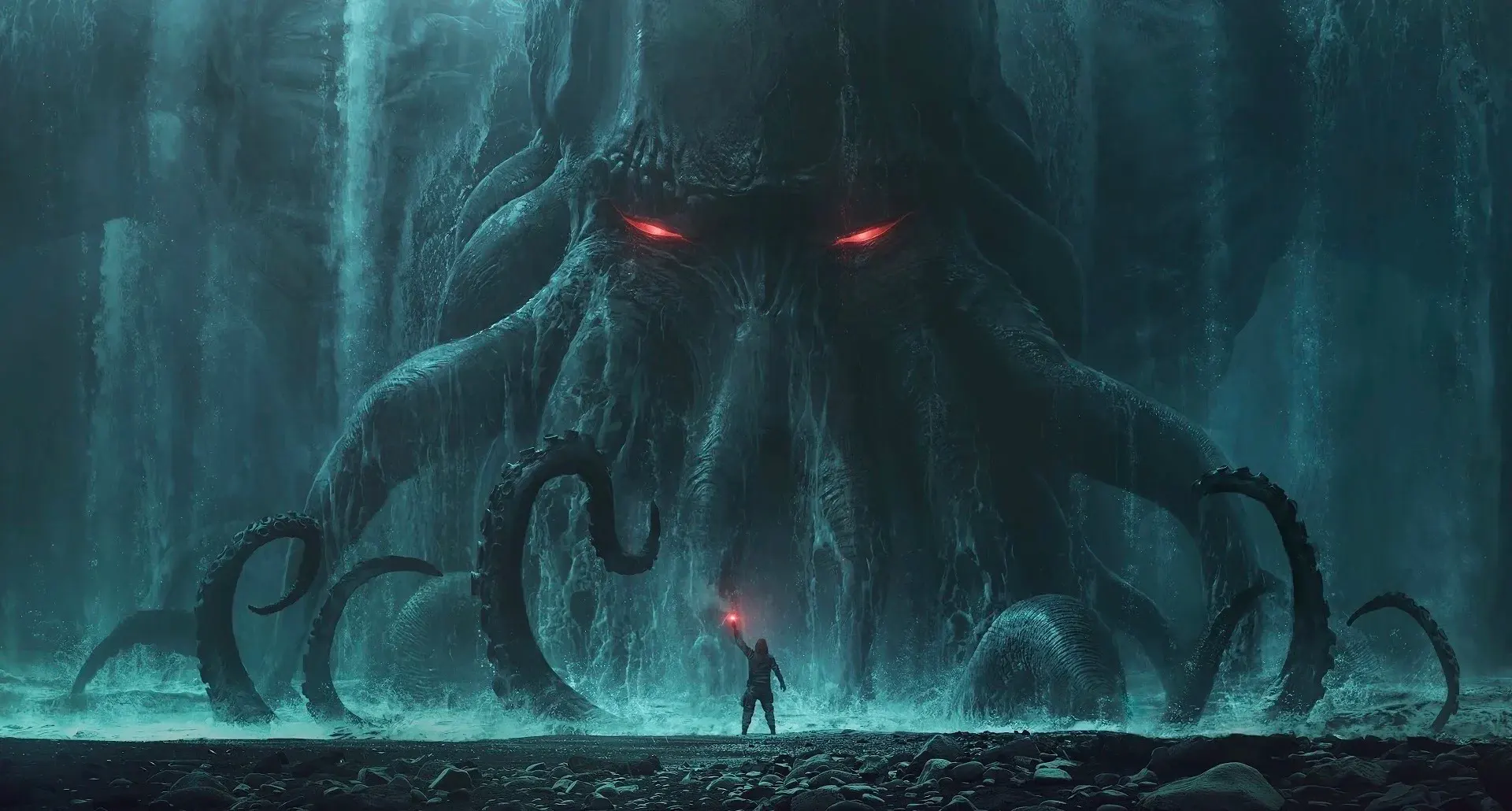
Starting Cthulhu, step by step.
Chaosium publishes free quick start rules that run to about forty pages. They are enough to play a full case, starter scenario included.
Three to five investigators, no more: everyone needs room to search, question and doubt. A large table dilutes the tension.
The Keeper describes places, plays the witnesses and knows what lies behind the case. Their prep is a list of clues, not a series of fights.
Journalist, doctor, librarian: the occupation gives you skills and a reason to be there. Nobody plays an adventurer, everybody plays someone ordinary.
Characteristics are rolled or assigned, then the occupation spends the skill points. Allow forty minutes the first time.
A short case wraps up in one evening and leaves a sharp memory. Many official scenarios are written for exactly that format.
What you need to get started.
The free document covers investigator creation, rolls and Sanity. The full book only adds extra options.
Two ten sided dice make the percentage, one for tens and one for units. A few six and eight sided dice cover damage after that.
The official sheet runs to two pages and downloads for free. Bring a pencil, Sanity changes several times a session.
A ready to run case supplies the clues, the witnesses and the floor plans. It saves the Keeper from writing a single line.
Three hours is enough for a short case, as long as you do not open on exposition. Plan a break before the last act.
A low lamp and a discreet soundscape do more for the mood than any long description. Cut the music the moment a player has to speak.
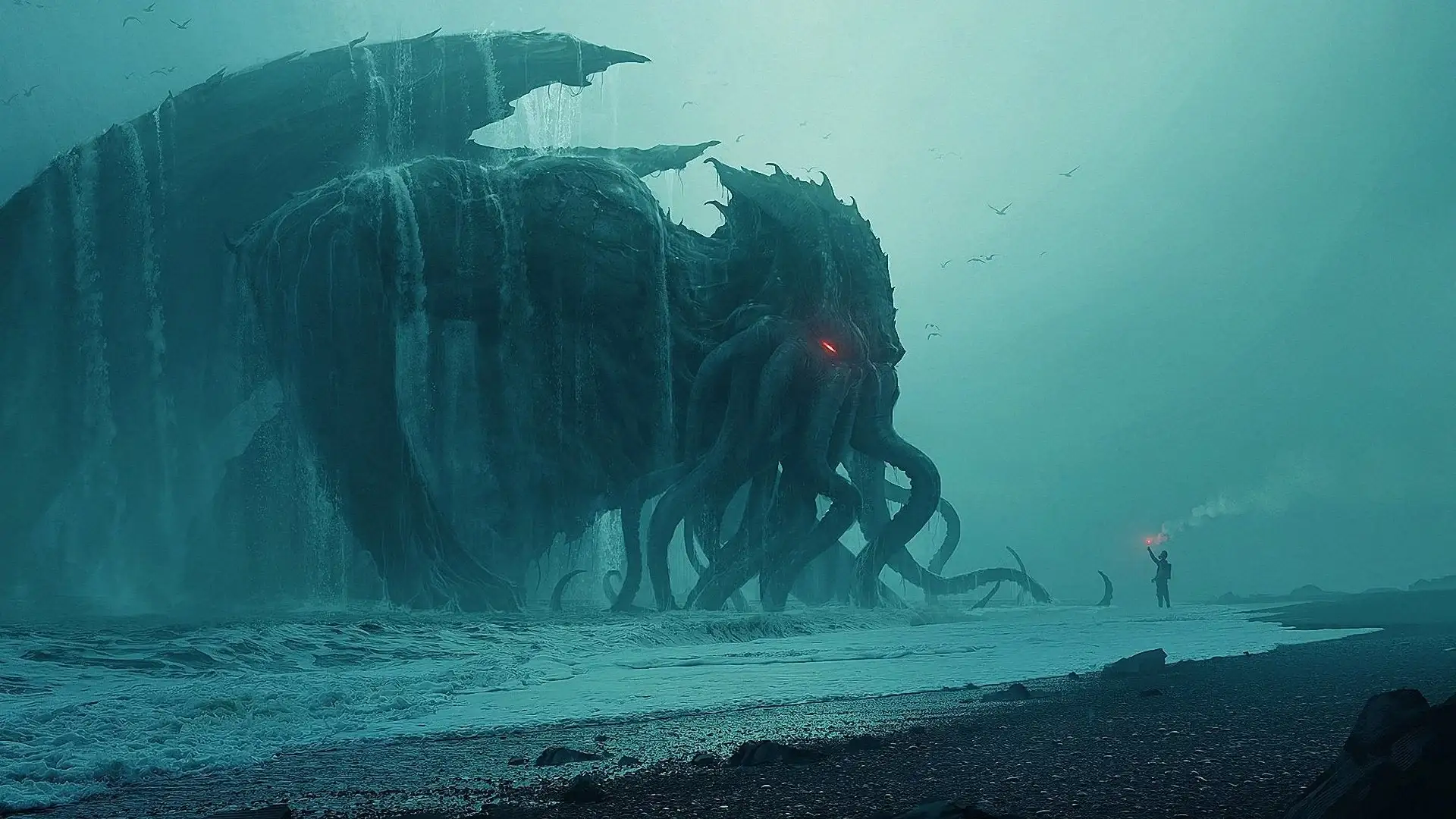
Building your first investigator.
Everything starts from an occupation. Journalist, antiquarian, police officer, professor: it decides which skills your investigator already commands and the circles they move in. Then come eight characteristics, from Strength to Education, and the skill points, allocated along the lines the occupation sets.
Two details are worth more than all the rest: give your investigator a reason to investigate, and a tie to at least one other character in the group. A band of strangers scatters at the first locked door. Count thirty to forty minutes per sheet, or start from the pre-generated investigators bundled with the scenario and play right away.
Sanity, the heart of the game.
Every investigator carries a Sanity score. Finding a corpse, reading a forbidden book or meeting a creature calls for a roll: succeed and you lose a point or two, fail and you lose far more. Below a certain threshold the investigator tips into temporary madness, and the losses pile up over a campaign.
This is not a punishment, it is the engine of the game. Sanity turns knowledge into a dangerous resource: the more you understand what is happening, the less you can stand it. An investigator who ends up committed or broken is not a failed session, it is the natural ending of a good story.
Your first investigation.
Take a short, already written scenario, meant for a single session. The core book and the starter sets provide them, among which The Haunting, the most played introductory case of the game: a house, a family, a few nights, and everything you need to grasp the system in three hours.
At the table, one principle is enough: never hide an essential clue behind a single dice roll. If the players look in the right place, they find it; the dice decide how long it takes, what it costs, or what else they piece together. An investigation stalled on a failed roll is a wasted evening.
The mistakes beginners make.
An investigator is not a hero: they run, they call the police, they go home. The game rewards caution, not bravery.
A clash with a Mythos creature almost always ends badly. Weapons buy you three seconds to leave, they do not win.
A clue the case depends on must never hang on a failed roll. Give the information, and let the roll only add more.
Seeing a mutilated body, reading a tome or meeting a ghoul costs points. Without those losses, the horror is just a police procedural.
Big campaigns like Masks of Nyarlathotep take years. A one evening case teaches the game far faster.
Investigators with no ties have no reason to stay together after the first grisly scene. One relationship each is enough to bind the group.
Playing Call of Cthulhu online.
Cthulhu runs on atmosphere first: a photograph of a manor, a newspaper clipping, muffled music and voices dropping a tone. That is what tips an evening over, far more than the rules do.
Tomeus gathers all of it in one window: you import your backdrops and your handouts, pick a track, send the link, and your players join with their sheets, the chat and the dice in front of them. Nothing to install, nothing to configure.
Go further with Call of Cthulhu.
The Basic Rules of Call of Cthulhu
The d100 and the three success thresholds, the eight characteristics, bonus dice, pushed rolls, combat and Sanity: the basic rules of Cthulhu explained.
The Lore of Call of Cthulhu
The Cthulhu Mythos, its places, its creatures, its Great Old Ones and its grimoires: the lore of Call of Cthulhu explained, and how to use it at your table.
Call of Cthulhu occupations
Call of Cthulhu has no classes but occupations: antiquarian, private investigator, journalist, doctor, their skills, skill points and Credit Rating explained.
Call of Cthulhu Great Old Ones
Azathoth, Yog-Sothoth, Nyarlathotep, Cthulhu, Hastur: the Outer Gods and Great Old Ones of the Mythos, their cults and what they cost in Sanity.
Go further with tabletop RPGs.
How to Find Players for a Tabletop RPG
Game shops, clubs, conventions, Discord, online listings: where to find players for your tabletop RPG and how to write an ad people answer.
How to Prepare a Tabletop RPG Campaign
Setting, central stake, factions, NPCs and per-session prep: the method to build a tabletop RPG campaign without writing everything in advance.
The Best Tabletop RPGs for Beginners
Dungeons & Dragons, Call of Cthulhu, Alien, Monster of the Week: six easy tabletop RPGs for a first session, and how to pick the right one.
How to Create a Tabletop RPG Character
Concept, class, ability scores, skills, backstory and bonds: the full method to create a tabletop RPG character who will carry a whole campaign.
Frequently asked questions.
Do you need to have read Lovecraft to play Call of Cthulhu?
No, and it is often better that way. Players who know nothing of the mythos discover the horror at the same time as their characters, which is exactly what the game is after. Only the Keeper gains from reading two or three stories, and the core book sums up the essentials for them.
Do you need to buy the book to start?
No. The publisher puts out free quick-start rules, enough to run a complete first investigation with ready-made investigators. A starter set is still the best first purchase, with its escalating scenarios and its solo adventure to learn the system on your own.
What happens when an investigator dies or goes mad?
You create a new one and the story goes on. The game plans for it: investigators are ordinary people, death and madness come with the genre. In a campaign, the new character often arrives as a relative, a colleague or an heir of the previous one.