
The roles of Cyberpunk.
Cyberpunk has no classes. It has roles, ten street jobs that decide what your character can do, which unique ability they carry, and where they stand in a city nobody survives alone.
Here are the ten roles gathered in one place, what each brings to a crew, how the ability that sets them apart works, how you progress without levels, and which one to pick for a first character.
What a role actually decides.
A role sets three things: the special ability nobody else has, the skills the character starts out trained in, and the place they hold in the city. Name, background, looks and style are decided elsewhere and never limit the role you chose.
In practice, a role answers one question: what do you do when the job goes wrong? The Solo shoots, the Netrunner kills the alarm, the Fixer calls someone, the Medtech stitches, the Rockerboy turns the crowd. Two characters of the same role still play very differently, because background, gear and the player's temperament do the rest.
The roles in the field.
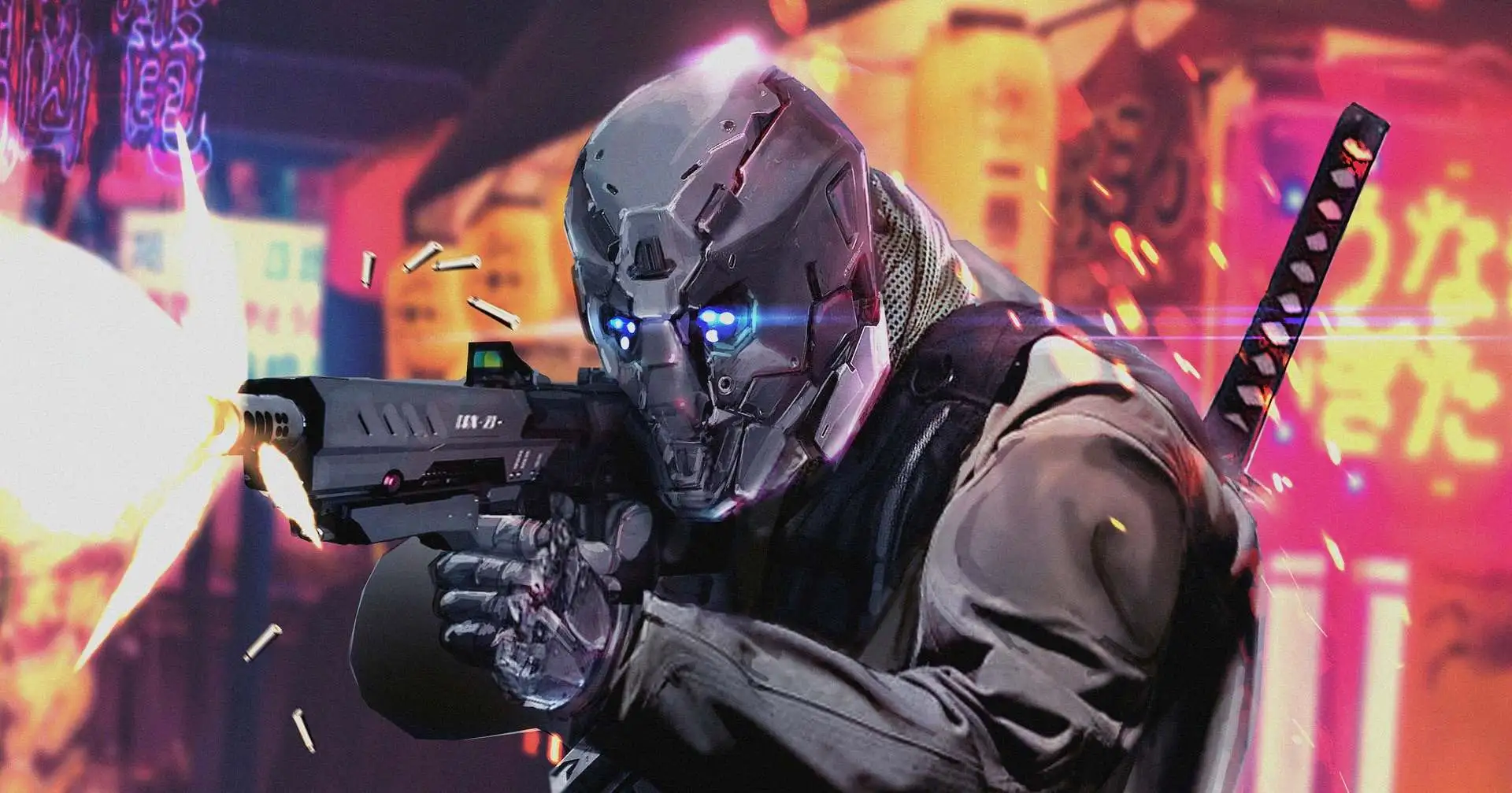
Bodyguard, mercenary, hired gun. Their combat awareness gives them a read on a firefight nobody else at the table can match.
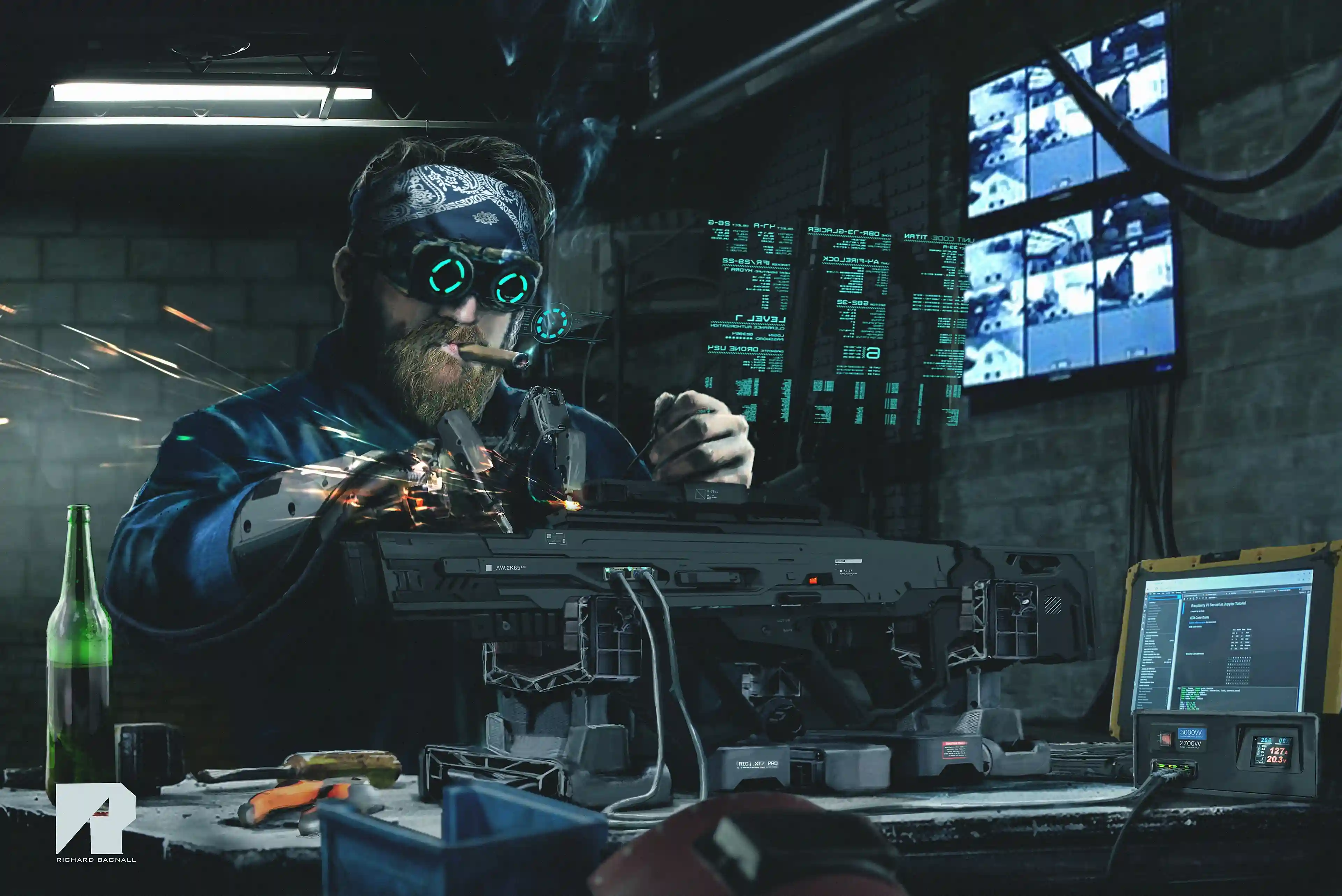
They dive into local architectures, open the doors and kill the cameras. The rest of the crew waits, guns up, while the work gets done.
They tinker, upgrade and build from salvaged parts. A crew without a Tech pays full price every single time something breaks.
They stitch, stabilise and fit implants without a clinic involved. Without one, a serious wound is settled by a bill or by a funeral.
They drive, they haul, and they know routes that appear on no map. Their convoy family still answers when everything else has gone quiet.
The roles with influence.
They find the job, the buyer, the rare weapon or the person who knows how. Almost nothing moves through the city without someone like them.
Musician, agitator, orator. They turn a room and sometimes a whole district, which worries corporations far more than an armed man does.
Journalist, reporter, broadcaster. They dig up what others pay a fortune to bury, and their only real protection is their audience.
A corporate manager with a budget, a team and enemies on their own floor. They open doors closed to everyone else, and attract the trouble that follows.
Police officer, security agent, bounty hunter. They can call for support, provided they accept what that support will ask in return.
The role ability, what sets you apart.
Every role carries a unique ability, rated from 1 to 10, with no equivalent among the others. The Solo gains combat awareness that sharpens initiative and accuracy, the Netrunner their interface to act inside the network, the Fixer their book of contacts, the Medtech their medicine, the Nomad their vehicle and the clan that comes with it.
That ability is what you will use every session, far more than the skill list. It grows with the points earned in play, and the cost climbs as the rank rises. A high rank turns a specialist into the name people call, and in this world a reputation is often worth more than a bank account.
Progressing, without levels.
Cyberpunk has no levels and no shared milestones. At the end of each session the game master hands out improvement points, and everyone spends them freely, on skills or on their role rank. Raising a skill costs more the higher it already sits, which pushes players to broaden their range rather than stack one score.
The rest of the progression never touches the sheet. A successful job pays, which means a better weapon, better armor, implants and a safer apartment. It also builds a reputation, which opens doors and collects grudges. What you own and what people say about you weigh as much as your numbers.
Choosing your role.
A silhouette, a job, a debt: the role comes after. You play a character better when you can describe them in a single sentence.
One solves problems by force, the other through contacts. Both work without learning a single extra rule.
It opens a game inside the game, with its own rules and pace. Excellent once the basics are in place, rarely the right first pick.
Two Solos do less than a Solo, a Tech and a Fixer. Crews that last cover combat, technical work and contacts.
It is what you will use every session. Read what it does at rank 4, not only what it promises at rank 1.
A role you do not enjoy can be swapped, especially early on. Better to change at session two than to endure ten evenings.
Playing your role online.
Every role brings its own numbers to track: the ability rank, the skills, the gear, the contacts and money that leaves faster than it arrives. On a paper sheet, half of it is crossed out by the third session.
Tomeus brings the sheets, the dice roller, the backdrop and the music into one window. Everyone keeps their character up to date, the game master sees the whole table, and your players join from home with nothing to install.
Go further with Cyberpunk.
How to start playing Cyberpunk?
Free starter kit, dice, character creation and a first session: the guide to getting started with Cyberpunk RED, around a table or online.
The basic rules of Cyberpunk
The d10 and the difficulty value, the ten stats, the rolls, the combat round, armor, wounds and Humanity: the rules of Cyberpunk RED explained.
The lore of Cyberpunk
The Time of the Red, the corporations, the gangs of Night City, its districts and the Net after the crash: the lore of Cyberpunk explained, and how to use it at your table.
The cyberware of Cyberpunk
The implants of Cyberpunk explained: the main families, the Sandevistan and the claws, the cost in Humanity, ripperdocs and cyberpsychosis.
Go further with tabletop RPGs.
How to Play a Tabletop RPG: the Beginner's Guide
How a session unfolds, what the game master does, dice, character sheets and how to play a tabletop RPG online. A complete guide for beginners.
How to Find Players for a Tabletop RPG
Game shops, clubs, conventions, Discord, online listings: where to find players for your tabletop RPG and how to write an ad people answer.
How to Prepare a Tabletop RPG Campaign
Setting, central stake, factions, NPCs and per-session prep: the method to build a tabletop RPG campaign without writing everything in advance.
How to Create a Tabletop RPG Character
Concept, class, ability scores, skills, backstory and bonds: the full method to create a tabletop RPG character who will carry a whole campaign.
Frequently asked questions.
How many roles does Cyberpunk have?
Ten: Solo, Netrunner, Tech, Medtech, Nomad, Fixer, Rockerboy, Media, Exec and Lawman. Each opens an ability found nowhere else and a different place in the city. The core book describes them all, and the free starter kit offers a sample with ready-made characters.
Which role should a first character take?
Solo to learn combat without a separate set of rules, Fixer for contacts and negotiation, Tech to repair and tinker with gear. The Netrunner is the richest of the ten, but it opens a game inside the game that is better discovered once the basics are settled.
Can you change role during a campaign?
Yes, with the game master's agreement, and it is told rather than ticked off: a Solo who builds their own network becomes a Fixer, a Tech hired by a corporation becomes an Exec. Some tables also allow a second role, provided the improvement points are split between the two.